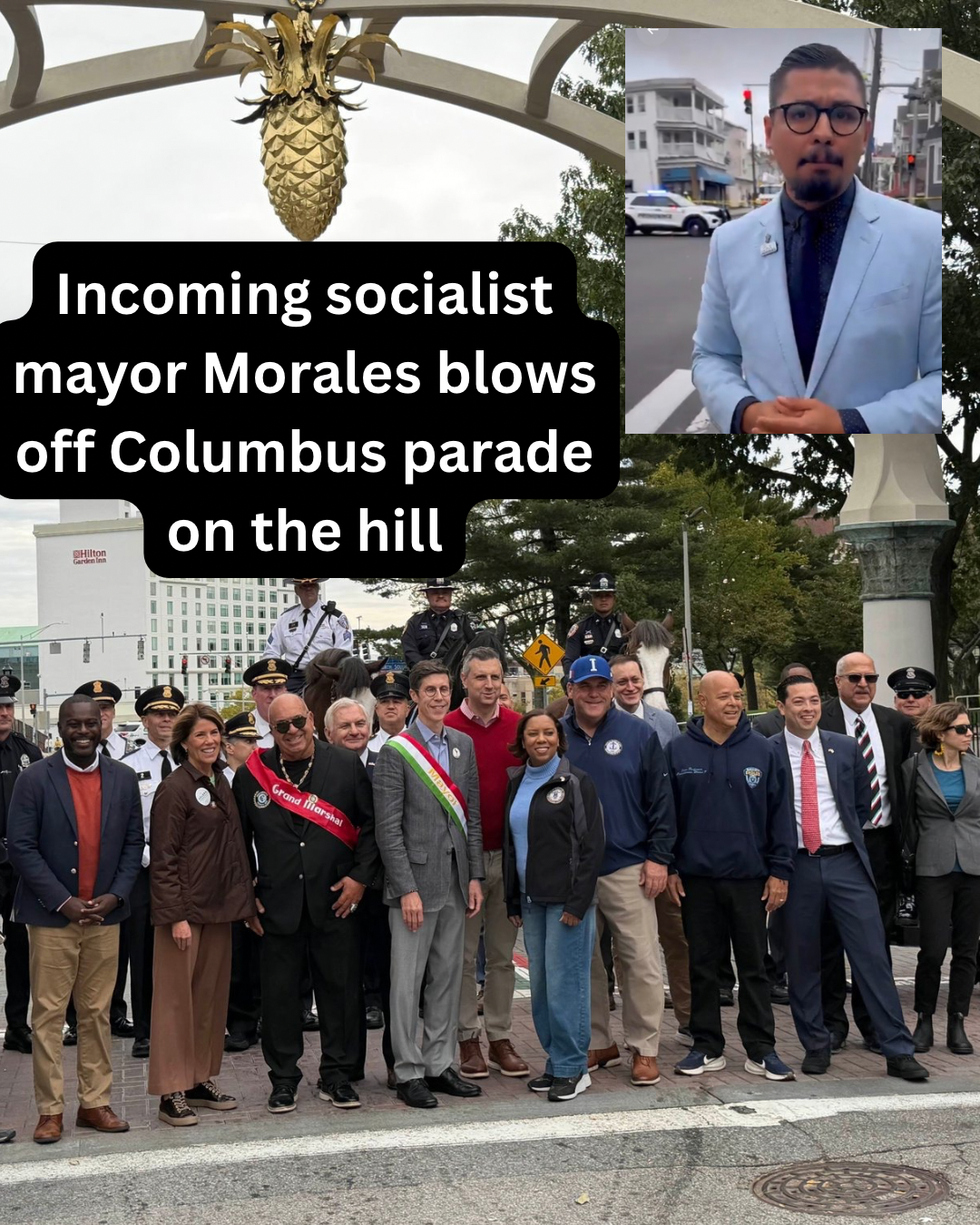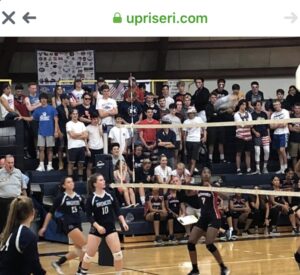
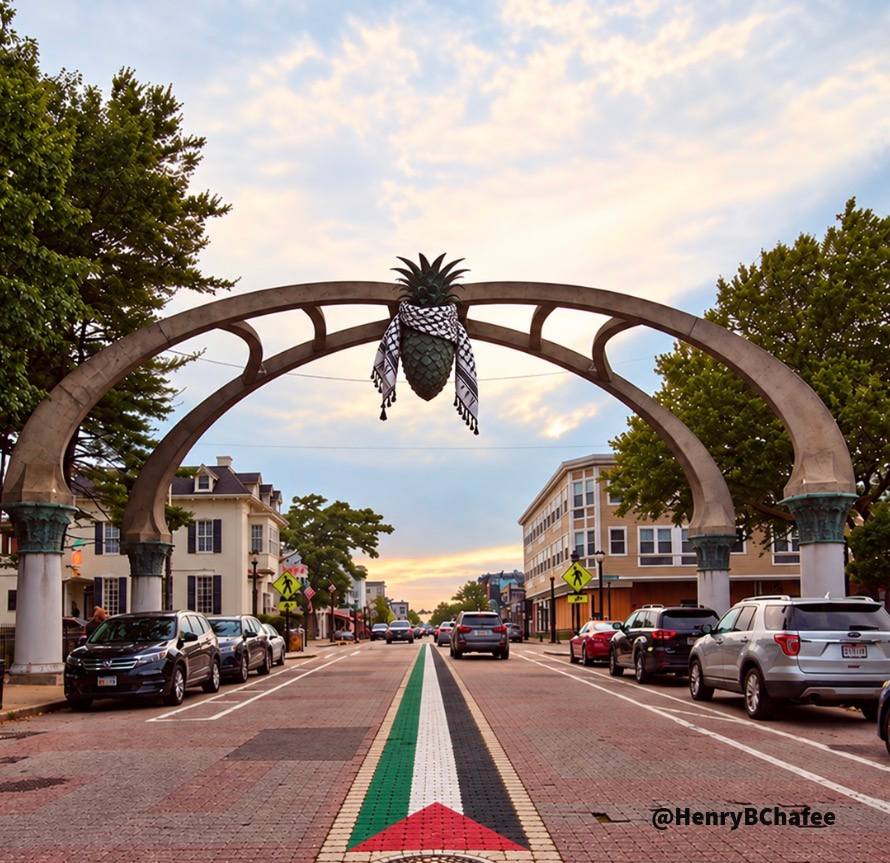
The “Incoming Socialist Mayor Morales” Commentary: State Representative David Morales, a prominent Democratic Socialist, defeated incumbent Mayor Brett Smiley in the Providence Democratic Mayoral Primary. Following his primary victory, political commentators and opposition voices highlighted his absence from traditional events like the annual Italian-American / Columbus Day Weekend parade on Federal Hill.
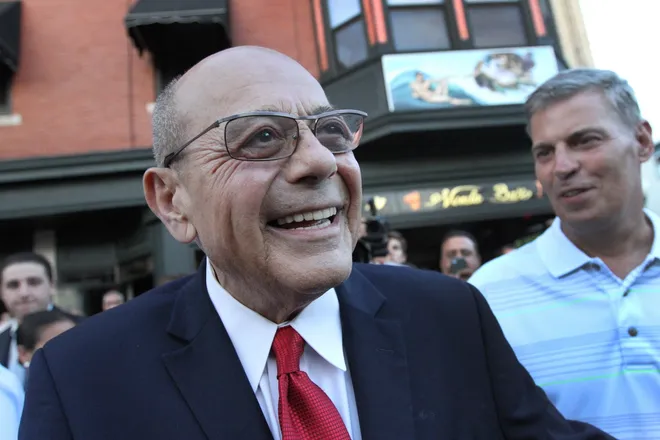
Historical Echoes & “The Long Way”: The caption’s mention of going “a long way” back references historical Providence mayoral history: Brett Smiley becoming the first sitting Providence mayor to lose a reelection bid in over 50 years. The last time an incumbent mayor failed to win reelection in Providence was in 1974, when Vincent “Buddy” Cianci Jr. defeated incumbent Mayor Joseph A. Doorley Jr.
The narrative surrounding socialist or progressive politicians skipping long-standing municipal traditions—such as Columbus Day parades—revolves around a fundamental tension between traditional civic obligation and ideological values.
Here is how this dynamic typically plays out across the political landscape, along with the reasoning behind these decisions and the political pushback that follows:
1. The Progressive/Socialist Perspective: Ideology Over Convention
When democratic socialist or left-progressive figures choose not to participate in traditional civic events like the Columbus Day parade, their decision is usually rooted in core movement principles:
Rejection of Imperialist & Colonialist Symbols: Progressive and socialist platforms generally view Christopher Columbus not as an icon of discovery, but as a symbol of colonial exploitation, violence, and indigenous displacement. Participating in a parade in his name is viewed by their base as an endorsement of that historical legacy.
Advocacy for Indigenous Peoples’ Day: Rather than attending traditional Columbus Day marches, left-leaning officials often pivot their public presence to Indigenous Peoples’ Day rallies, rallies focused on labor rights, or community-based events that align directly with their platform.
Refusal to Perform “Empty Civics”: Socialist candidates often campaign explicitly against standard establishment practices, framing traditional ribbon-cuttings and photo-ops with business and political elites as political theater designed to obscure systemic issues.
2. The Opposition & Traditionalist Response: Cultural Disrespect
Critics, community leaders, and political opponents view a mayor or candidate skipping these events through a very different lens:
Slighting the Italian-American Community: For decades, municipal parades—particularly in places like New York City, Providence, and Chicago—have functioned less as a celebration of Columbus himself and more as an annual showcase of Italian-American heritage, civic pride, and police/firefighter service organizations. Skipping the event is frequently framed as a snub to that ethnic coalition.
Failure to Represent All Constituents: Opponents argue that once elected (or when running for executive office, such as Mayor), an official’s job is to act as a unifier for the entire city, set aside personal ideology, and honor the city’s diverse cultural traditions.
The “Buddy Cianci” Parallel: In cities with deep political histories like Providence, municipal leadership has historically been defined by hyper-visible, retail-politics mayors—such as the late Buddy Cianci—who made a point of showing up to every neighborhood block party, feast, and parade. When a new candidate refuses to participate in these traditional rituals, critics contrast it with that traditional style of governance.