
ACTIVISTS IN THE CLASSROOM: Rhode Island TEACHERS Unions Push Radical Politics While Kids Fall Behind
PROVIDENCE, R.I. — While Rhode Island students struggle to keep pace in reading and math, critics say the state’s powerful public school teachers unions are focused on a very different report card—one measured in progressive politics, gender ideology, and diversity quotas rather than academic achievement.
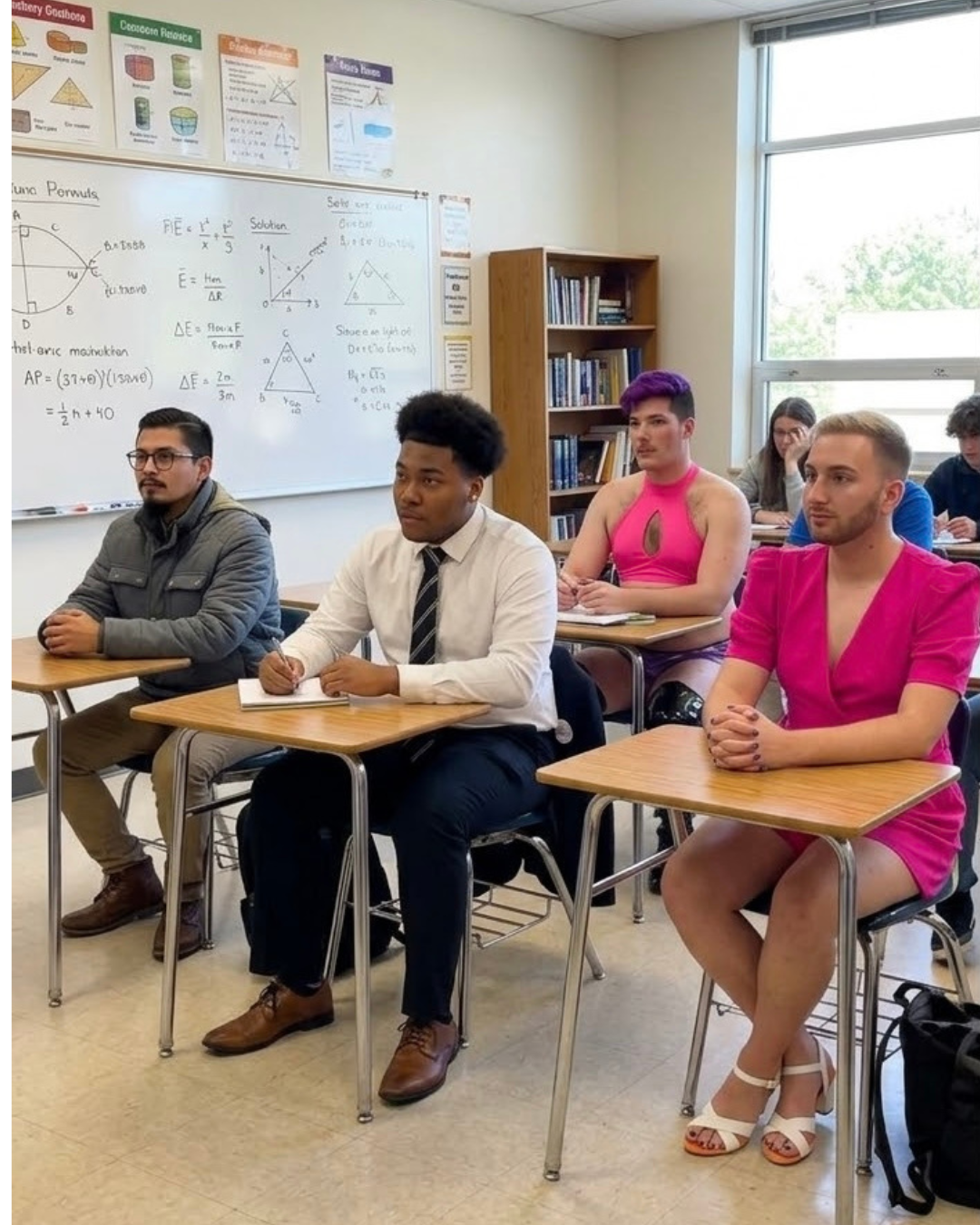
Across the Ocean State, parents and education watchdogs are sounding the alarm as union leaders increasingly champion social justice initiatives, push for more transgender and “non-traditional” educators in classrooms, and back policies allowing biological males to compete in girls’ school sports. To opponents, the message is clear: ideological conformity now outranks basic competence.
“Parents send their kids to school to learn how to read, write, and do math—not to be recruited into a political movement,” said one frustrated parent activist from Warwick. “Every time test scores come back flat, we hear excuses, yet there’s endless energy and union dues spent on progressive campaigns and locker room politics.”

In recent years, Rhode Island’s major education unions—including the National Education Association Rhode Island (NEARI) and the Rhode Island Federation of Teachers and Health Professionals (RIFTHP)—have wielded massive influence on Smith Hill, pouring endorsements and political muscle into backing progressive candidates and legislation. Critics argue that union leadership routinely dismisses standardized testing as “flawed” or “inequitable” whenever dismal statewide RICAS and SAT numbers make headlines, pivoting instead to calls for expanded Diversity, Equity, and Inclusion (DEI) mandates and diversified hiring pipelines.
The friction has spilled out of State House hearing rooms and straight into local school committee meetings. From heated debates over gender-identity guidelines and athletics to accusations of partisan activism seeping into lesson plans, families say traditional academic rigor is taking a backseat.
Union defenders insist that fostering inclusive environments and recruiting diverse staff helps all students succeed and reflects modern classrooms. Yet with Rhode Island’s test scores lagging neighboring Massachusetts and high school reading and writing metrics slipping, skeptics aren’t buying it—warning that until unions put academics back at the top of the syllabus, Ocean State students will continue paying the price.